
What Greece Can Teach Us About the Next Pandemic
Welcome to Cathens: Why the neighborhood cats of Greece are a major health signal.

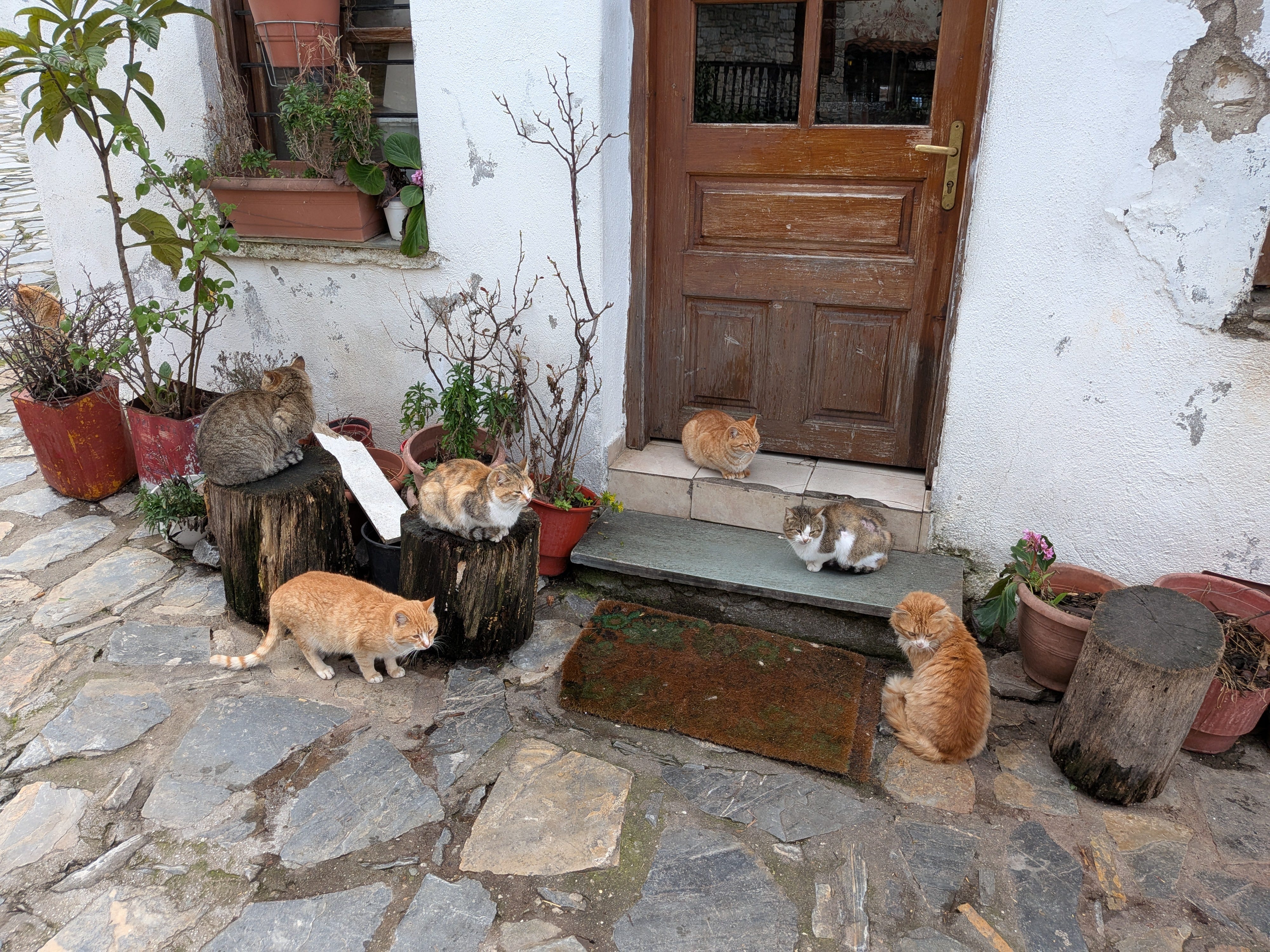
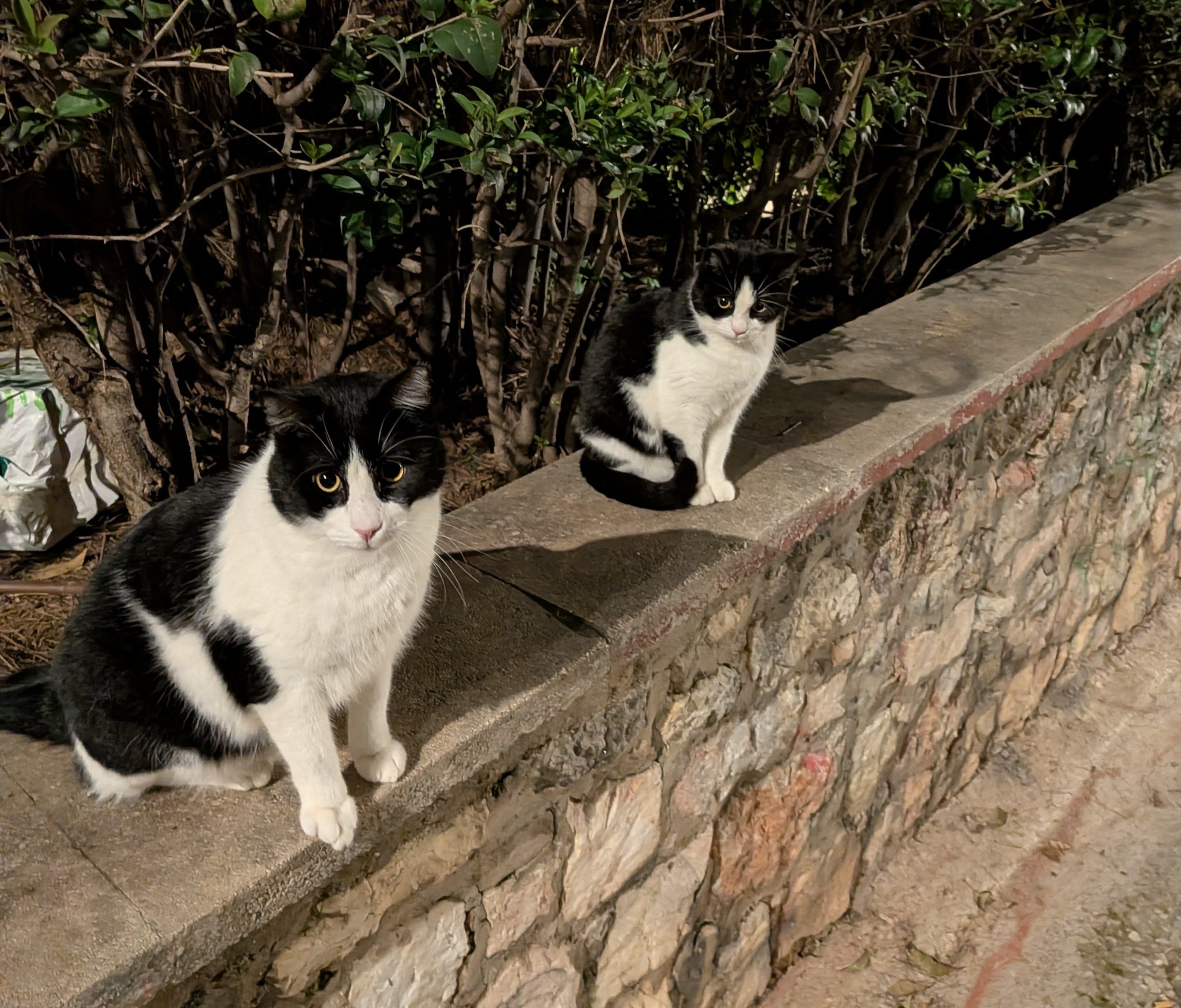
I have been living in Athens for a few months now and you cannot walk a block without meeting a neighborhood cat. They are everywhere. They sleep under cafe tables, guard the entrances to ancient ruins, and sun themselves on the hoods of parked cars.
To most people, they are just a charming part of the city. But after looking into the data, I realized they are actually a perfect example of a scientific framework called the One Health model.
One Health is the idea that you cannot separate the health of humans from the health of animals and the environment. They are all connected. When we ignore the health of the 3 million stray cats in Greece, we are ignoring a major part of our own public health safety net.
Why the Pandemic Connection Isn’t Insane
It might sound extreme to link a friendly neighborhood cat to a global pandemic, but it is actually a simple math problem. According to the CDC, nearly 75% of new or emerging infectious diseases come from animals.
Scientists view cats as a bridge species. Whether a virus escapes from a lab or spills over from a forest, it needs a middleman to reach a city. Cats hunt the rodents and birds that carry hidden germs (the “wild” leg) and then they come to sit on our scooters or in our laps at dinner (the “human” leg).
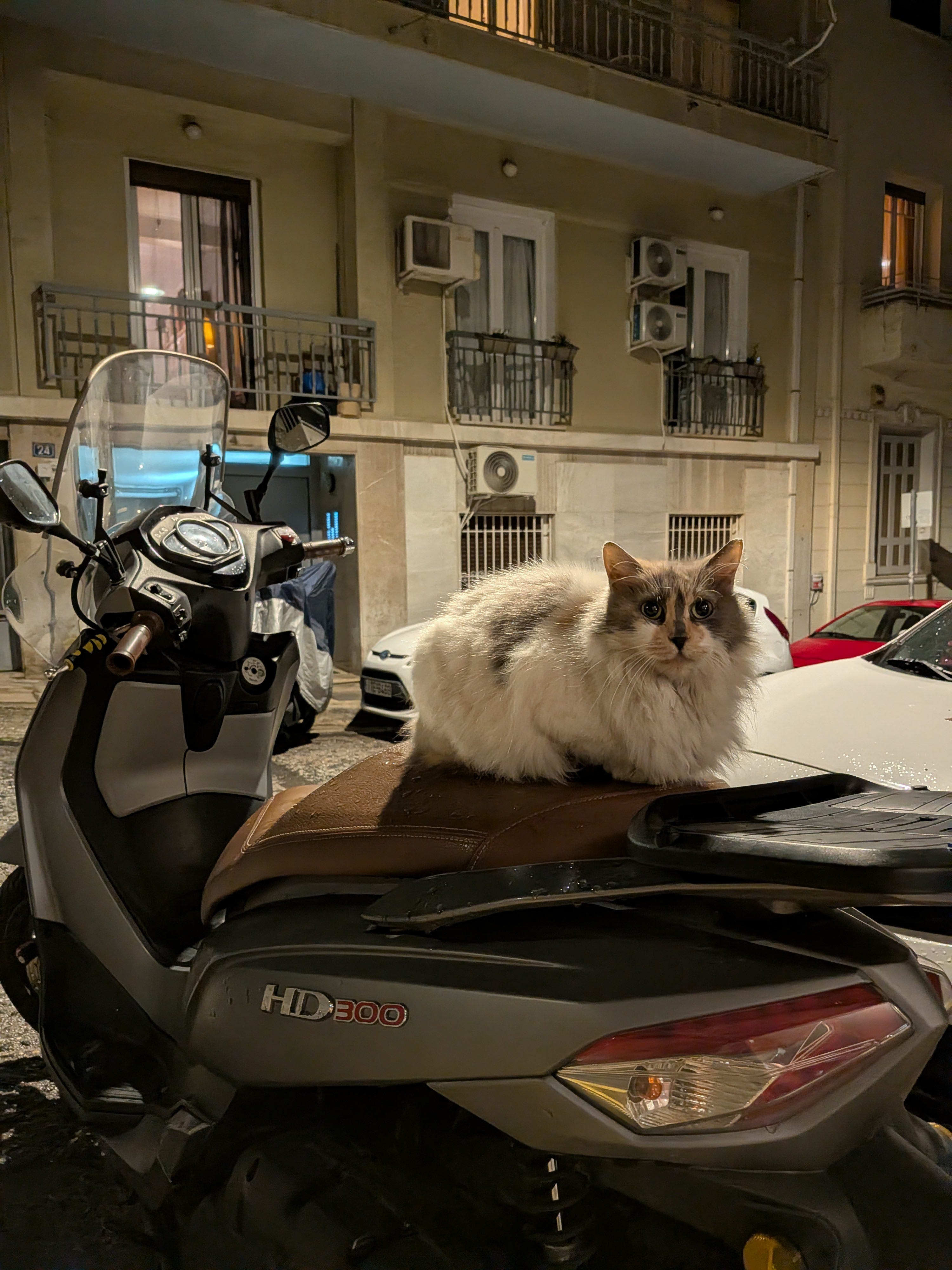
When you have millions of animals living in high density, you have a giant, city-wide petri dish. The more a virus bounces around a large population, the more chances it has to mutate. Managing the health of these cats is not about being scared of them: it is about stopping a spillover event before it starts.
What One Health means in plain language
Scientists at the WHO use this model to track diseases. Think of it as a three-legged stool:
Animal Health: If the cats are sick, they become a reservoir for germs.
Environmental Health: If the streets are dirty, parasites spread faster.
Human Health: If the first two legs fail, humans get sick.
The Animal Leg: Looking Healthy vs. Being Healthy
Because Athenians are so good at feeding these cats, they often look robust and clean. I’ve seen some exceptionally comfortable-looking cats. However, clinical data tells a different story.
Parasites: A study in Thessaloniki found that over 50% of stray cats carried internal worms.
Viruses: Roughly 9.2% of Greek strays test positive for FIV (Feline Immunodeficiency Virus), according to a prospective study of 435 cats. This is a virus that weakens a cat’s immune system. It makes them more likely to carry other diseases that could potentially reach humans.
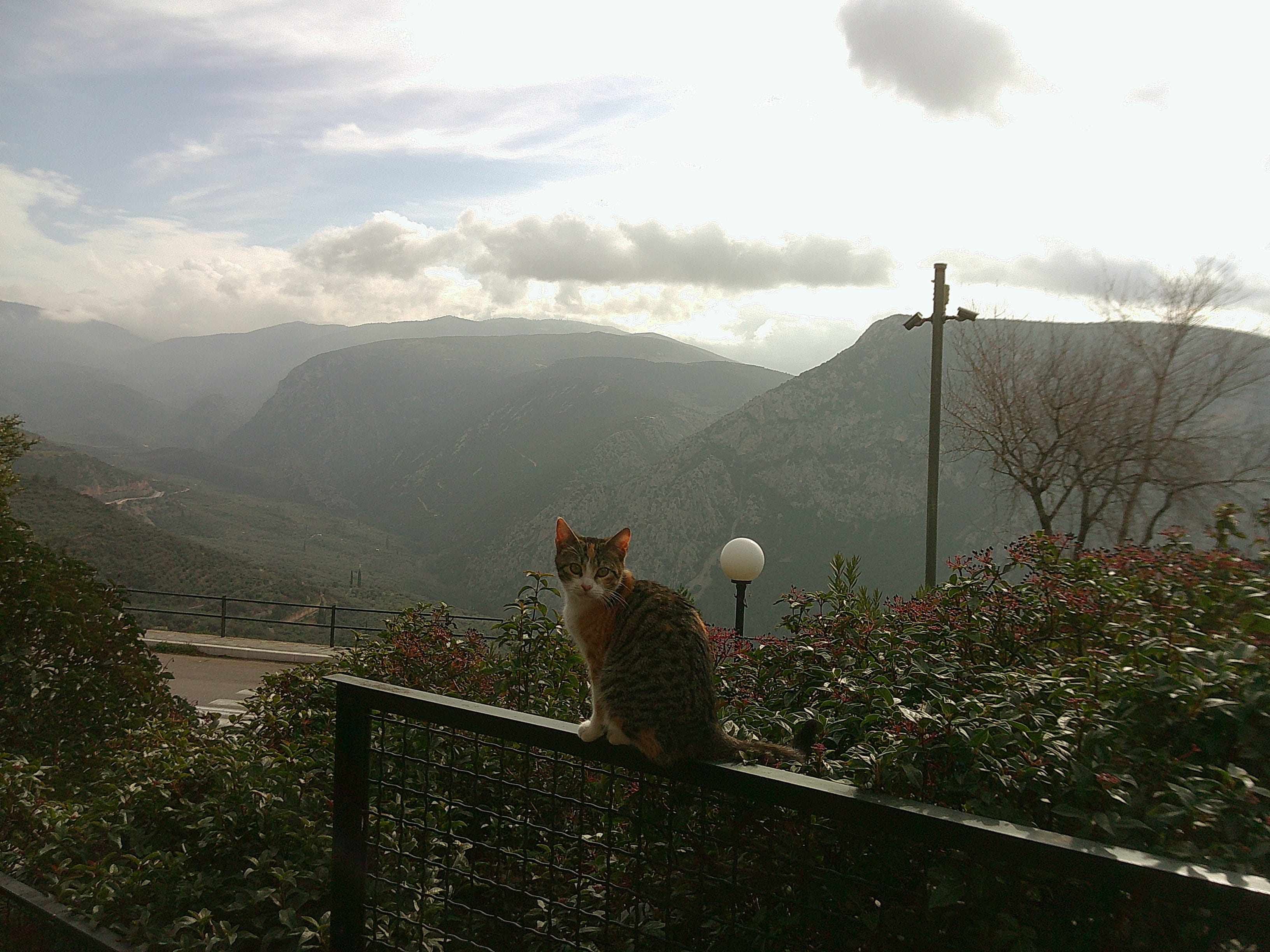
This calico cat on a scenic railing shows the peaceful public face of Greece’s feline population, providing a “cute buffer” before we look at the serious risks below.
The Human Leg: Zoonotic Risks
When animals live this close to us, their germs can jump to humans. These are called zoonotic diseases.
Toxoplasmosis: This is a parasite found in cat waste (Toxoplasma gondii). A countrywide study of 1,554 cats found that 21.8% of Greek cats have been exposed. This parasite can cause serious flu-like symptoms and is a major concern for pregnant women.
Cat Scratch Fever: This is a bacterial infection spread by fleas (Bartonella). In tourism-heavy areas, 35.4% of cats were found to be carriers. In humans, it can cause fever, headaches, and painfully swollen lymph nodes.
The Environmental Leg: The “Landscape of Fear”
One reason you rarely see rats in Athens is because of the cats.
Rodent Suppression: Scientists call this the “landscape of fear.” The mere presence and smell of cats force rodents to stay deep in the sewers. This is a natural form of pest control. It keeps us from having to use toxic chemical poisons in the city.
The Pigeon Paradox: I have wondered why they do not eat the annoying pigeons. The answer is Caloric Economics. In a city where locals provide free, high-protein kibble, a cat will not waste energy hunting a bird that can easily fly away.
The Rules: Project Argos
Greece is trying to modernize this system with Law 4830/2021 (Project Argos). As of early 2026, the government is conducting a major review to see how well it is working.
Mandatory Neutering: Cities must sterilize strays to keep the population from growing.
Registration: All pets and community cats must be microchipped and put in the national database.
Municipal Duty: It is now the legal job of each city to provide medical care for strays. However, most of the work is still done by volunteers and NGOs like Animal Action Greece.
Quick Answers to Common Claims
“The cats are fine because they are fed.” Food keeps them alive, but it does not stop parasites or viruses.
“I never see rats, so the cats must be killing them.” They are mostly just scaring them into hiding.
“It is okay to have millions of strays.” From a One Health perspective, no. High density increases the chance of a disease jump to humans.
“Is it safe to pet them?” Usually yes, but always wash your hands. Most risks come from fleas or waste rather than the fur itself.
Bottom Line
The neighborhood cats of Athens are more than just a local quirk. They are a living laboratory for the One Health model. Managing their health through TNR (Trap-Neuter-Return) and medical care is not just about being kind to animals. It is a vital part of urban biosafety. If we want to prevent the next pandemic, we have to pay attention to the interface right outside our front door.